Best time to visit Volcano House — month-by-month
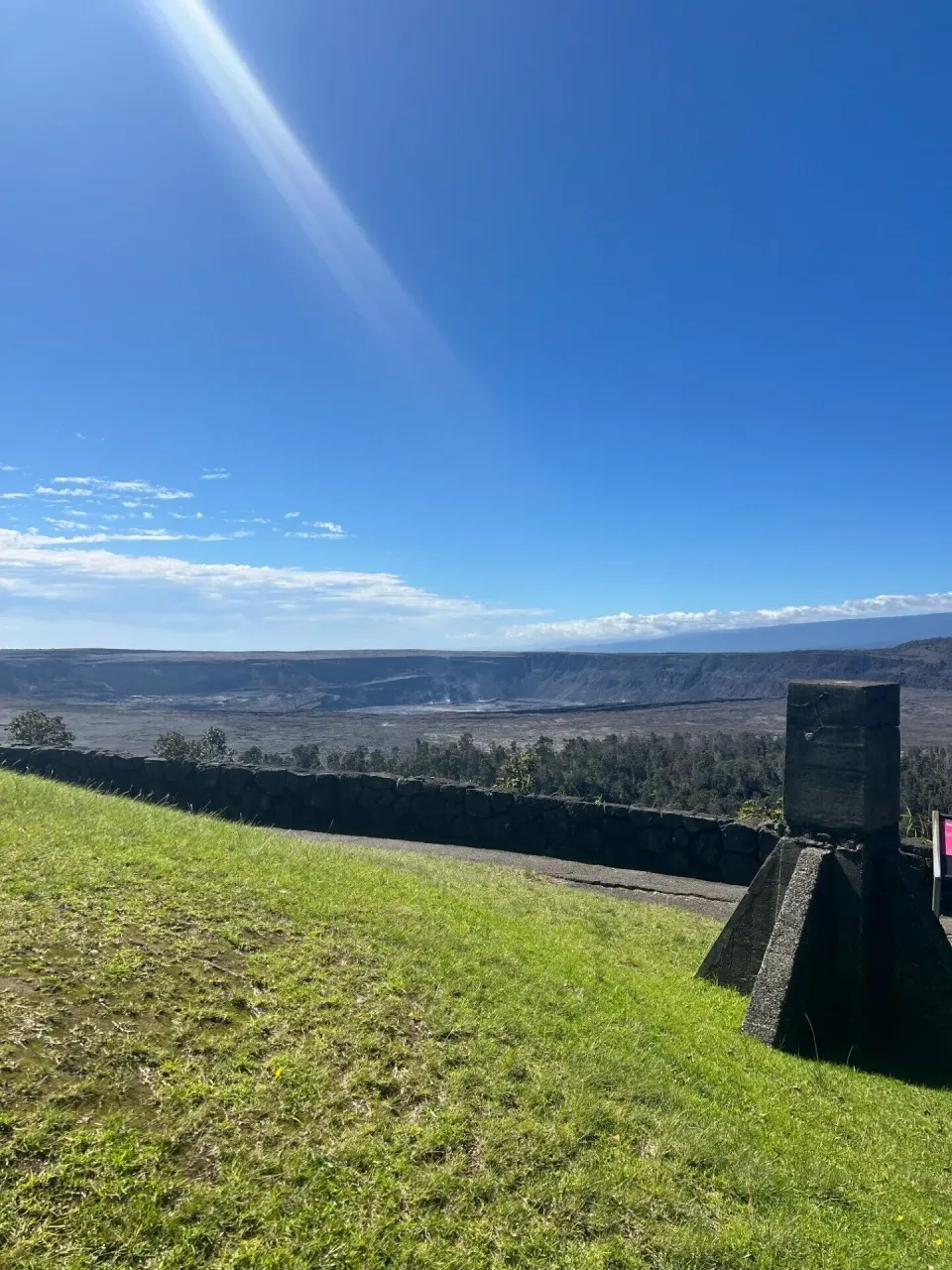
Best months for clear crater views and lower rain are April through September, with June–September generally the driest and most reliable for clear skies. October is often singled out as an excellent month because crowds thin while temperatures remain mild; November–March is wetter and more changeable, so expect more rain and clouds.
In this guide
January–March: Wet season, cooler nights
January through March are part of the park’s wet season. These months typically bring the highest rainfall totals of the year and more cloudy, changeable conditions across Hawaii Volcanoes National Park.
Temperatures are cooler overall (average highs around the upper 60s°F and lows in the low-to-mid 50s°F), and evenings at the rim can feel damp. If you stay at Volcano House in these months, plan for rain gear and layers.
- Rainfall: historically highest (expect more cloudy days)
- Average highs: around 67°F; lows near the low-to-mid 50s°F
- Good for: fewer daytime visitors, possible dramatic cloud-and-steam views
| Aspect | What to expect |
|---|---|
| Crowds | Lower than summer months |
| Views | Often obscured by clouds and rain |
| Travel notes | Bring waterproof outerwear and warm layers |
April–May: Shoulder season, improving weather
April and May are shoulder months with generally lower rainfall than winter. Conditions often shift toward drier, milder weather and more stable skies compared with December–March.
These months are frequently recommended for visitors who want a balance of better weather and lighter crowds than the summer high season.
- Weather: transitioning toward the dry season; milder temperatures (upper 60s–low 70s°F)
- Crowds: moderate—fewer visitors than peak summer months
- Good for: hiking short park trails like Halemaʻumaʻu Trail and Waldron Ledge
| Why visit now | Practical tip |
|---|---|
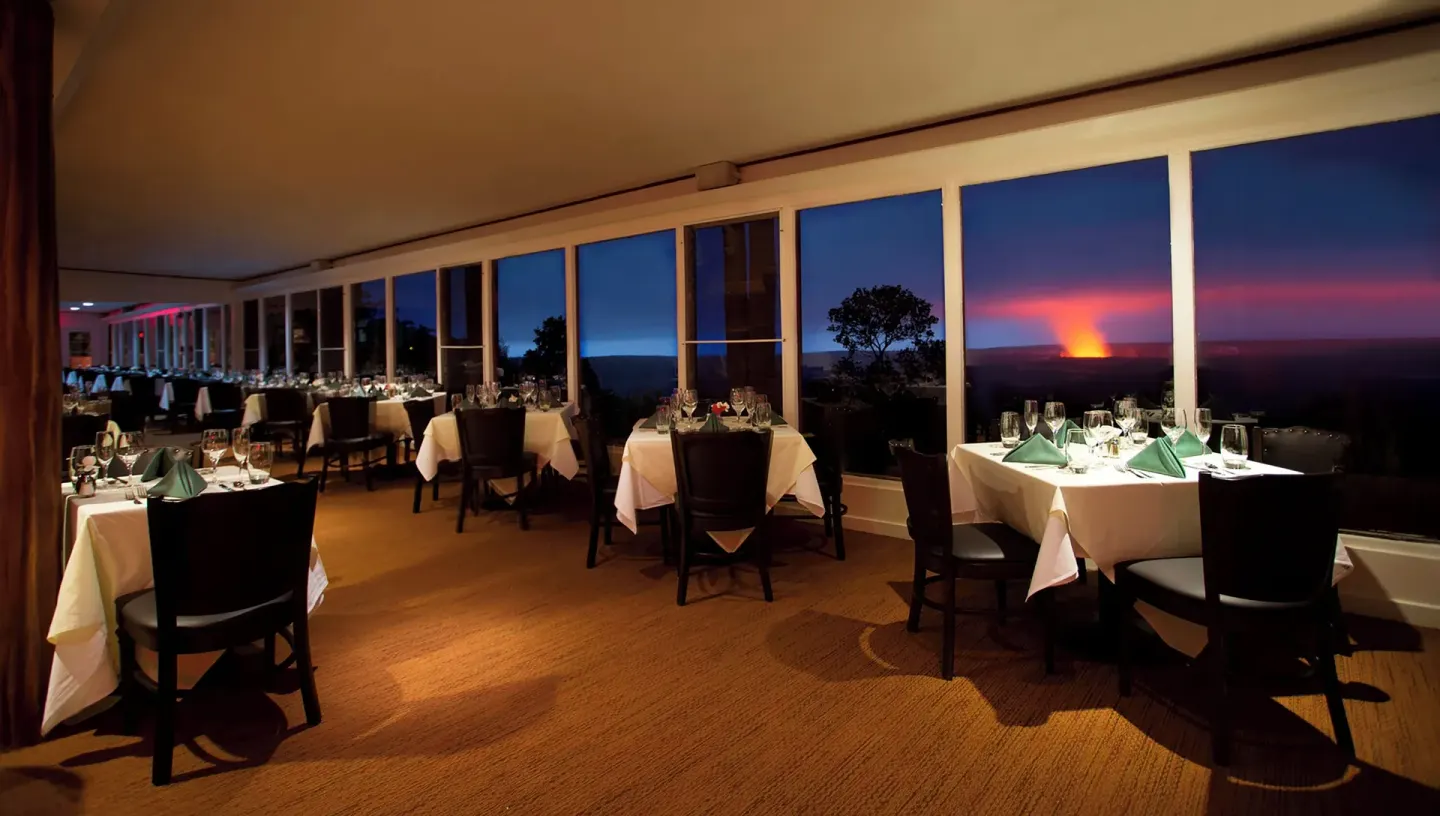
| More reliable crater views than winter | Book The Rim for dinner if you want a crater-view table |
| Milder trail conditions | Start hikes earlier to avoid midday cloud build-up |
| Shorter lines at visitor sites | Reserve lodging early for holiday weekends |
June–September: Driest months, clearest skies
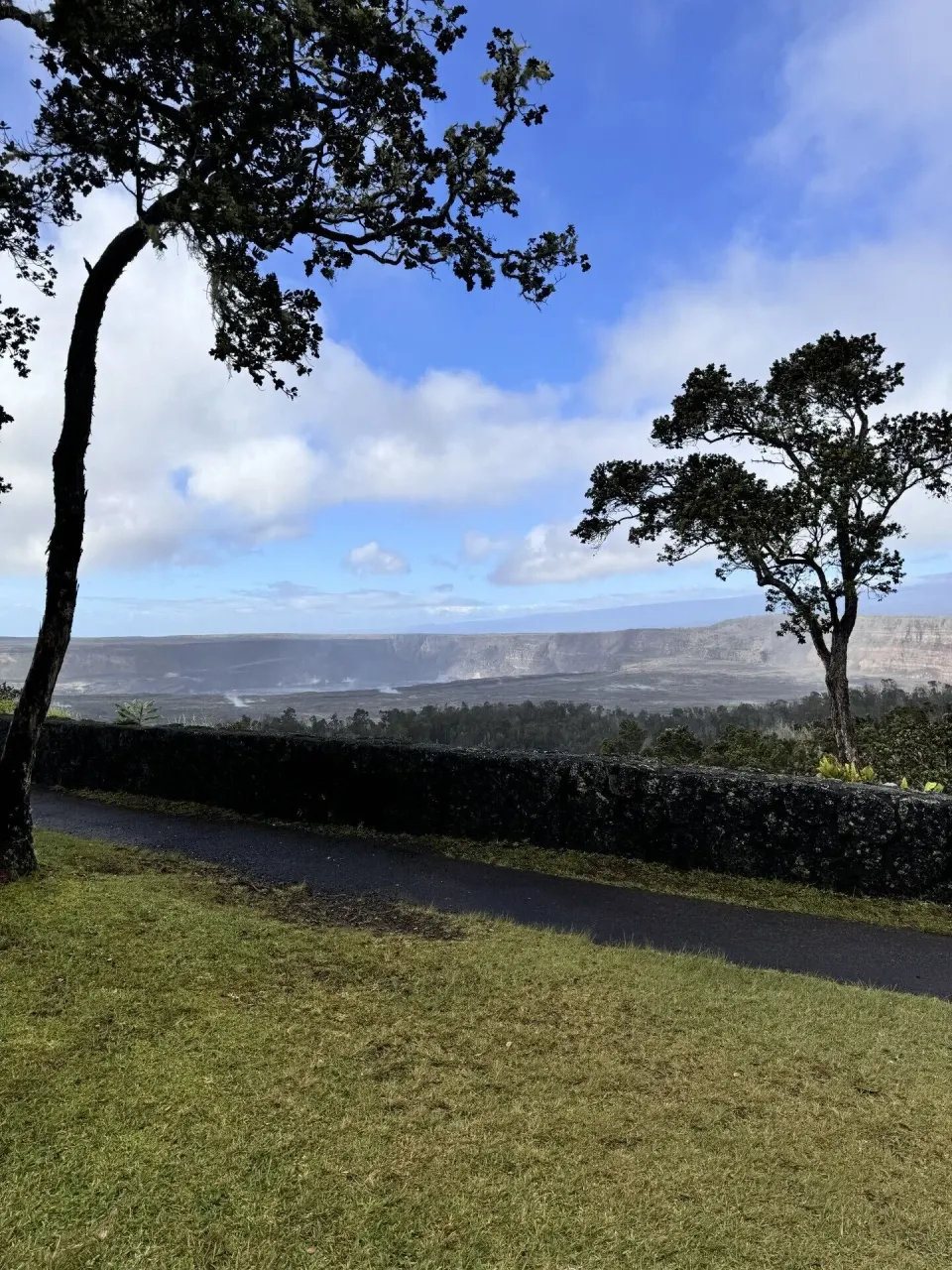
June through September are the driest months in the park and generally most reliable for clear crater views. Average highs rise slightly (low to mid-70s°F) while rainfall is lower than in winter.
These months are popular for visitors because of steadier weather, but they also coincide with higher occupancy—plan ahead for dinner reservations and room availability.
- Weather: driest window (June–September most reliable for clear skies)
- Temperatures: average highs near 72–74°F, lows in the mid-50s to high 50s°F
- Booking: The Rim dinner is popular—reservations are required for dinner
| Best for | Note |
|---|---|
| Crater-view photography | Arrive at sunrise or just before sunset for best light |
| Day hikes and scenic drives | Bring water and sun protection for exposed sections |
| Families on holiday | Book rooms and dining well in advance |
October–November: Shoulder season and top recommendation
October is frequently cited as an ideal month to visit the park—crowds tend to thin after summer while temperatures remain mild and skies can still be clear. November begins to shift back toward wetter conditions, especially later in the month.
If you want a compromise between reliable weather and fewer people, October or early November are strong choices. Expect some variability and bring a light waterproof layer for brief showers.
- October: good mix of mild temps, thinning crowds, and often clear skies
- November: more chance of rain than October but fewer summer visitors
- Good to know: park weather still changes quickly—dress in layers
| Month | Why choose it |
|---|---|
| October | Thin crowds with generally mild, clear weather |
| November | Lower occupancy than summer; increasing chance of rain |
| Best tip | Check weather before hiking; start walks early |
December: Holidays and busiest weather variability
December marks the start of the winter rainier stretch; rainfall and cloudy days increase through the month. Holiday travel patterns may raise occupancy at Volcano House despite the wetter conditions.
Expect cool, damp evenings at the rim and variable daytime conditions. If you visit in December, plan indoor dining options (The Rim requires dinner reservations) and flexible schedules for outdoor activities.
- Weather: wetter and more changeable; pack rain layers
- Crowds: higher around holidays even though weather is variable
- Dining/amenities: The Rim takes dinner reservations—call ahead
| Concern | Advice |
|---|---|
| Rain and cloud cover | Have alternative indoor plans (lounge, gallery, cafe) |
| Holiday travel | Reserve room and dinner early |
| Trail conditions | Expect muddy sections on some walks |
Practical planning tips year-round
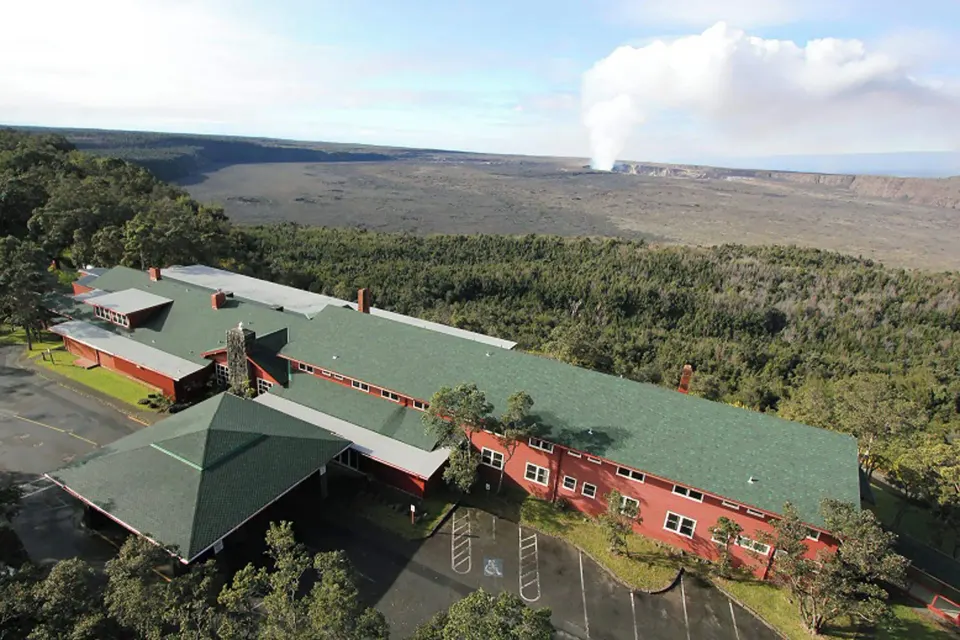
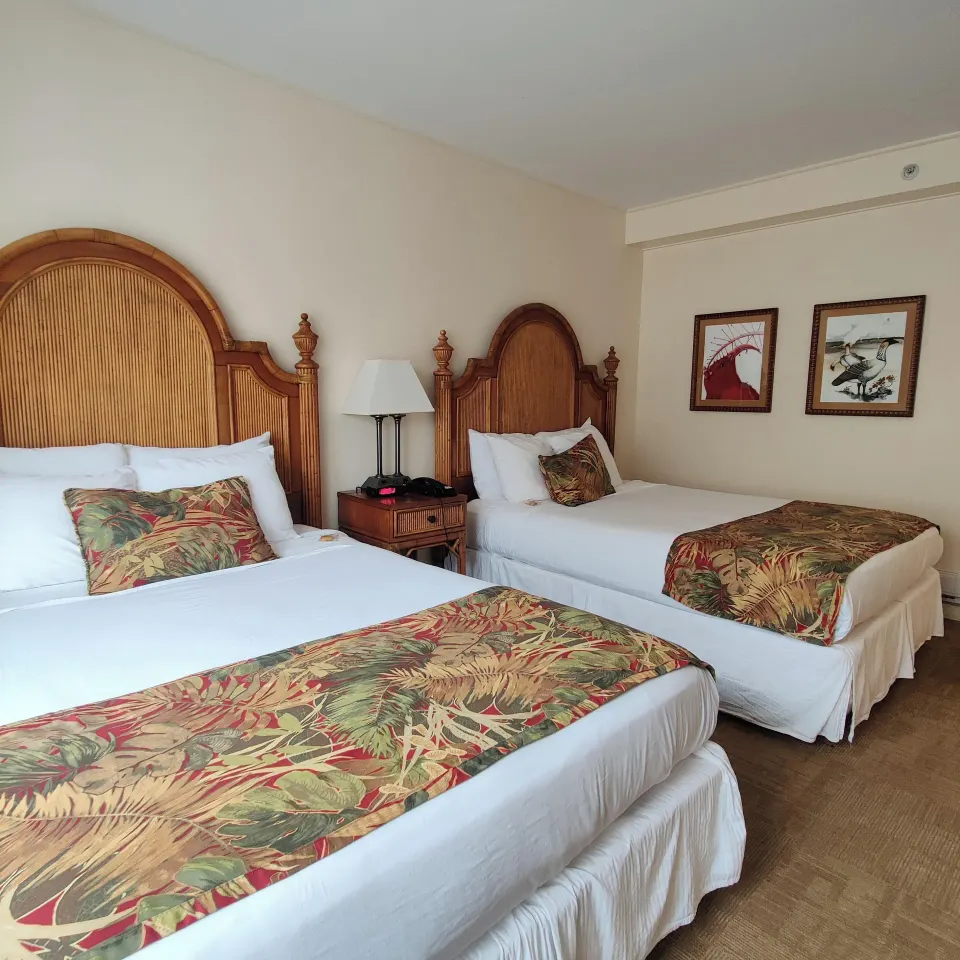
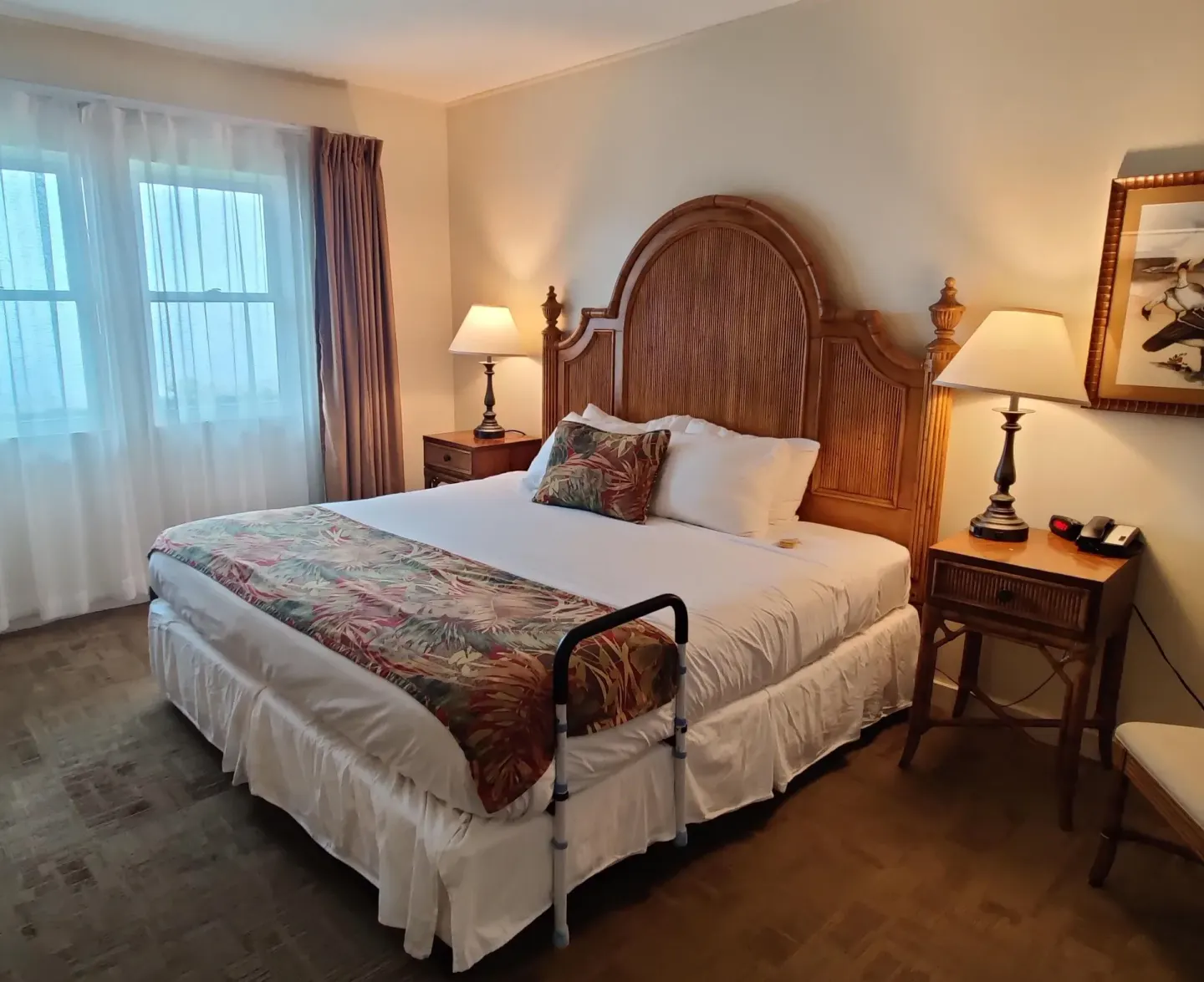
Volcano House sits on the rim of Kīlauea Crater inside Hawaii Volcanoes National Park at 1 Crater Rim Drive. The hotel is a modest historic property with 33 guest rooms; many rooms offer crater views but rooms do not have air conditioning, televisions, minibars, or elevators.
The property provides free WiFi, free self parking, a 24-hour front desk, two restaurants (including The Rim) and Uncle George’s Lounge. The nearest commercial airport is Hilo International Airport (ITO); rental car transport is recommended because there is no confirmed airport shuttle.
- Check-in begins at 3:00 PM; check-out is by 12:00 PM
- Dinner reservations at The Rim are required; lunch and breakfast are generally walk-in
- Pets are not allowed at the property
- Cribs are not available but extra beds can be requested (subject to availability)
| Room types mentioned | Examples |
|---|---|
| Single-bed rooms | Comfort Room; Standard Room; Deluxe Room, Park View |
| Multi-bed rooms | Standard Quadruple Room; Quadruple Room, Park View |
| Family/extra-sleep space | Triple Room, Park View; Deluxe Triple Room, Park View |